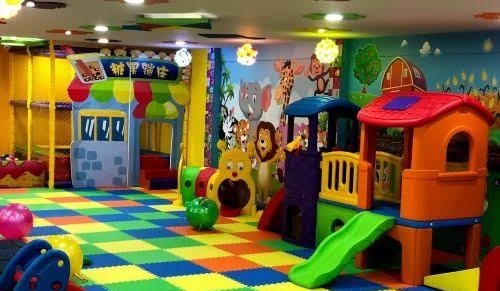
Play areas are essential spaces where children can explore, imagine, and engage in physical activity. Whether it's a backyard playground, a community park, or an indoor play center, the design of these spaces plays a crucial role in promoting fun, safety, and developmental growth. Let's delve into the diverse range of play area set-ups, from classic structures to innovative designs, and discover the unique features and benefits they offer.
Traditional Playground Structures:
- Swing Sets: Classic swing sets are timeless favorites, offering simple yet thrilling entertainment for children of all ages. They promote gross motor skills, balance, and coordination.
- Slides: Slides come in various shapes and sizes, from straight slides to spiral slides, offering exhilarating experiences for children as they zoom down.
- Climbing Structures: Climbing structures, such as monkey bars, rope ladders, and rock walls, challenge children's strength, agility, and problem-solving skills.
Themed Playgrounds:
- Nature-Inspired: Nature-themed playgrounds mimic natural landscapes, incorporating elements like log structures, treehouses, and boulder scrambles. They encourage imaginative play and connection with the outdoors.
- Fantasy Worlds: Fantasy-themed playgrounds transport children to magical realms, with castle towers, pirate ships, and fairy tale characters sparking creativity and storytelling.
Inclusive Play Areas:
- Accessible Equipment: Inclusive play areas feature equipment designed to accommodate children of all abilities, including wheelchair-accessible ramps, sensory panels, and adaptive swings.
- Universal Design: Universal design principles ensure that play spaces are welcoming and usable by everyone, regardless of age, size, or ability.
Adventure Playgrounds:
- Natural Play: Adventure playgrounds prioritize unstructured, open-ended play experiences, with natural materials like logs, boulders, and sand encouraging creativity, exploration, and risk-taking.
- Water Play: Water play areas, with features like splash pads, fountains, and water tables, provide refreshing fun while promoting sensory development and social interaction.
Modern Play Structures:
- Modular Play Systems: Modular play systems offer flexibility and customization, allowing for endless combinations of slides, climbers, and interactive panels to suit specific space requirements and play preferences.
- Interactive Technology: Incorporating interactive elements like digital games, augmented reality, and sensory projections into play areas adds an exciting dimension and engages children in active play and learning.
Educational Play Zones:
- STEM Play: STEM-focused play areas integrate science, technology, engineering, and math concepts into interactive experiences, fostering curiosity, problem-solving skills, and creativity.
- Literacy and Language: Play areas with storytelling circles, outdoor libraries, and alphabet games promote literacy skills and a love for reading and language.
Conclusion: From traditional playground structures to innovative, themed designs, play areas come in a variety of set-ups, each offering unique opportunities for children to learn, explore, and play. Whether it's fostering physical development, sparking imagination, or promoting inclusivity and accessibility, the diversity of play area designs ensures that there's something for every child to enjoy and benefit from. By embracing creativity, innovation, and a commitment to fun and safety, we can create play spaces that inspire and enrich the lives of children in communities around the world.