When it comes to furniture making, choosing the right material is paramount for achieving the desired aesthetics, functionality, and durability. Two popular options that often find themselves in comparison are solid wood and particle boards. Each material has its own set of characteristics, advantages, and limitations. Let's delve into the differences between solid wood and particle boards to help you make informed decisions in your furniture projects.
Solid Wood:
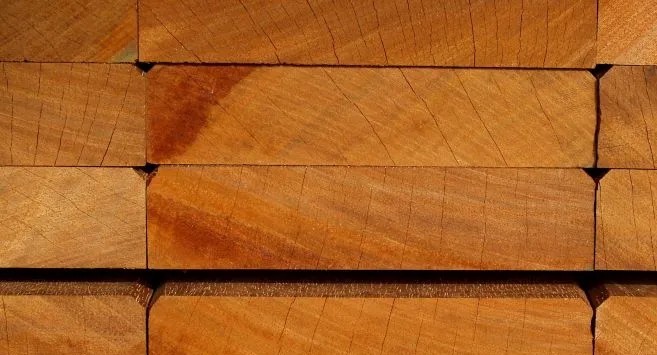
- Characteristics: Solid wood is exactly what it sounds like – lumber milled directly from trees. It retains the natural grain patterns, texture, and color variations of the wood species.
- Strength and Durability: Solid wood furniture is known for its strength, durability, and longevity. It can withstand years of use and is less prone to damage from everyday wear and tear.
- Aesthetic Appeal: The natural beauty of solid wood lends a timeless elegance and warmth to furniture pieces. Each piece is unique, with distinct grain patterns and characteristics.
- Repairability: Solid wood furniture can be repaired and refinished over time, allowing for restoration and preservation of its original beauty.
Particle Boards:
- Characteristics: Particle boards, also known as engineered wood, are made from wood chips, shavings, and resin bonded together under heat and pressure. They come in various densities and thicknesses.
- Affordability: Particle boards are generally more affordable than solid wood, making them an attractive option for budget-conscious consumers and mass-produced furniture.
- Consistency: Particle boards offer uniformity in terms of size, shape, and appearance. They are free from knots, cracks, and other natural imperfections found in solid wood.
- Stability: Particle boards are less susceptible to warping, shrinking, and expanding compared to solid wood, thanks to their engineered composition.
- Sustainability: Particle boards are often made from recycled wood materials, contributing to environmental sustainability and reducing waste.
Pros and Cons Comparison:
- Strength and Durability: Solid wood scores higher in strength and durability, making it suitable for heirloom-quality furniture pieces. Particle boards offer satisfactory durability at a lower cost.
- Aesthetic Appeal: Solid wood wins in terms of natural beauty and character, while particle boards provide consistency and versatility in design.
- Affordability: Particle boards are more budget-friendly than solid wood, offering an economical solution for everyday furniture needs.
- Environmental Impact: Both materials have their environmental considerations. Solid wood comes from renewable sources but may involve deforestation. Particle boards utilize recycled materials but may contain formaldehyde-based adhesives.
Conclusion: In conclusion, the choice between solid wood and particle boards depends on various factors such as budget, aesthetic preferences, and intended use. Solid wood offers unparalleled beauty, strength, and longevity but comes at a higher price point. Particle boards, on the other hand, provide affordability, consistency, and environmental sustainability. By understanding the characteristics, pros, and cons of each material, furniture makers and consumers can make informed decisions that align with their needs and values. Whether it's a timeless hardwood dining table or a budget-friendly bookshelf, both solid wood and particle boards have their place in the world of furniture making.