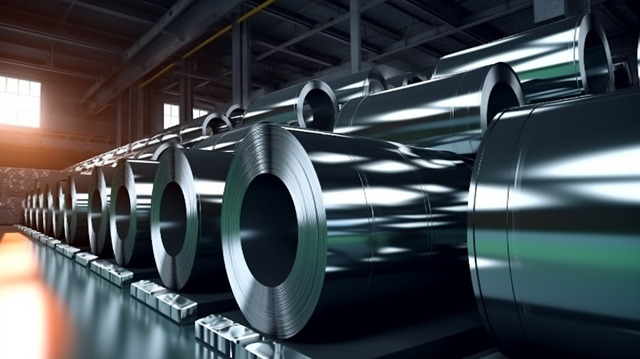
Introduction: In the realm of metal fabrication, two prominent materials often find themselves in comparison: Mild Steel (MS) and Stainless Steel (SS). While both offer unique advantages and applications, understanding their differences is crucial for making informed decisions in various industries. Let's delve into the characteristics, properties, and applications of MS and SS, shedding light on their respective strengths and weaknesses.
Composition:
- Mild Steel (MS): Primarily composed of iron and carbon, with carbon content typically below 0.25%. It may contain traces of other elements like manganese, phosphorus, and sulfur.
- Stainless Steel (SS): Alloyed with chromium, nickel, and sometimes other elements like molybdenum. The addition of chromium provides corrosion resistance, making it 'stainless' compared to MS.
Corrosion Resistance:
- MS: Susceptible to corrosion when exposed to moisture, oxygen, and other environmental factors. Surface treatments like painting or galvanizing are often required to enhance corrosion resistance.
- SS: Renowned for its exceptional corrosion resistance due to the presence of chromium oxide layer on the surface, which forms spontaneously upon exposure to oxygen. This layer acts as a protective barrier against rust and corrosion, making SS ideal for applications in corrosive environments.
Strength and Durability:
- MS: Offers good strength and durability for various structural applications. It's commonly used in construction, automotive manufacturing, and machinery.
- SS: Exhibits superior strength and durability, especially in harsh environments. Its corrosion-resistant properties make it indispensable in industries such as marine, aerospace, pharmaceuticals, and food processing.
Appearance and Aesthetics:
- MS: Typically has a dull gray finish, unless surface treated or painted for decorative purposes.
- SS: Boasts a lustrous, shiny appearance that adds aesthetic appeal to architectural, interior design, and decorative applications.
Cost Considerations:
- MS: Generally more cost-effective compared to SS, making it a preferred choice for projects where corrosion resistance is not a primary concern.
- SS: Commands a higher price due to its corrosion-resistant properties and alloy composition. However, its longevity and low maintenance requirements often justify the initial investment, especially in critical applications.
Weldability and Fabrication:
- MS: Known for its excellent weldability and ease of fabrication, making it suitable for a wide range of welding techniques and processes.
- SS: Requires specialized welding techniques and equipment due to its alloy composition and susceptibility to heat distortion. However, with proper procedures, SS can be welded effectively, ensuring structural integrity and longevity.
Conclusion: In summary, while both MS and SS serve distinct purposes in metal fabrication, their differences in composition, properties, and applications are evident. MS offers affordability and versatility, whereas SS excels in corrosion resistance, strength, and aesthetics. Understanding these distinctions is paramount for selecting the right material for specific projects, ensuring optimal performance, longevity, and cost-effectiveness. Whether it's structural components, architectural features, or industrial machinery, the choice between MS and SS ultimately hinges on the unique requirements and priorities of each application.